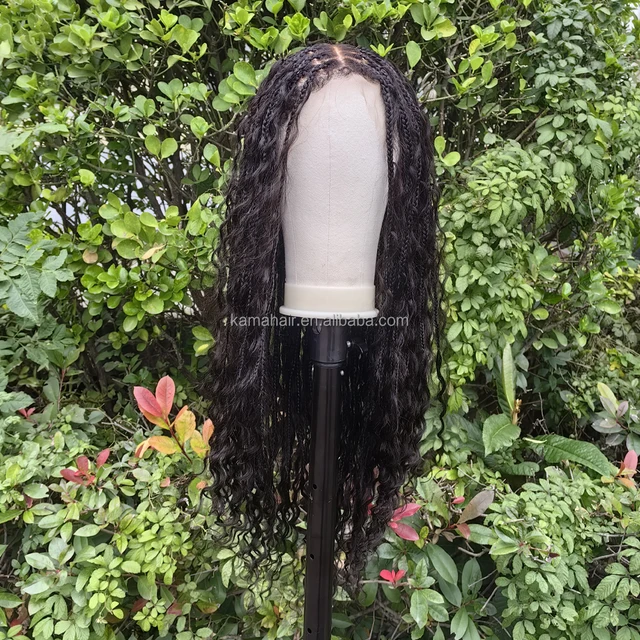
Most export delays on wig shipments are documentation problems, not production problems. The classification, the description on the invoice and the specification sheet decide how a consignment is assessed — and they are all decided before the carton is sealed.
1. Classification Drives the Assessment
Wigs of human hair and wigs of synthetic fibre are classified in different subheadings, and the distinction rests on the material composition declared on the invoice — not on the product name. Confirm the correct code with the importer or their broker for the destination market before the first shipment, and keep the same classification consistent across subsequent orders. A code that changes between shipments is the fastest way to trigger a review.
2. The Document Set
A commercial invoice, packing list, bill of lading or airway bill, and a certificate of origin where the destination requires one. Include the material composition, construction (full lace, lace front, closure, hair system), cap size, density, colour code and per-unit value on the invoice description. Generic descriptions such as "hair products" invite inspection and delay.
3. Value, Freight Terms and Duty Exposure
Declared value must reflect the transaction, and the Incoterm on the invoice must match the freight arrangement on the booking — a mismatch between FOB terms on the invoice and CIF charges in the freight documents is a routine reason for consignments to be held. Model the landed cost with the destination duty rate and any applicable VAT or sales tax before quoting a wholesale price, not after.